Kalemon Support

War

Special 10 stories, 2020–2023 The autumn of 2020, and what came after. Children from Artsakh in a kindergarten in Aghtsk. The villages of Karabakh the day before the end and the day after. A man who lost an eye and looked in the mirror. A girl waiting for the only road home to reopen. And Nata, cut off from the world in Martuni. Enter the special →
  1. “There are things in this life that you can neither understand nor accept. You just have to live through them”

    Don’t let God down

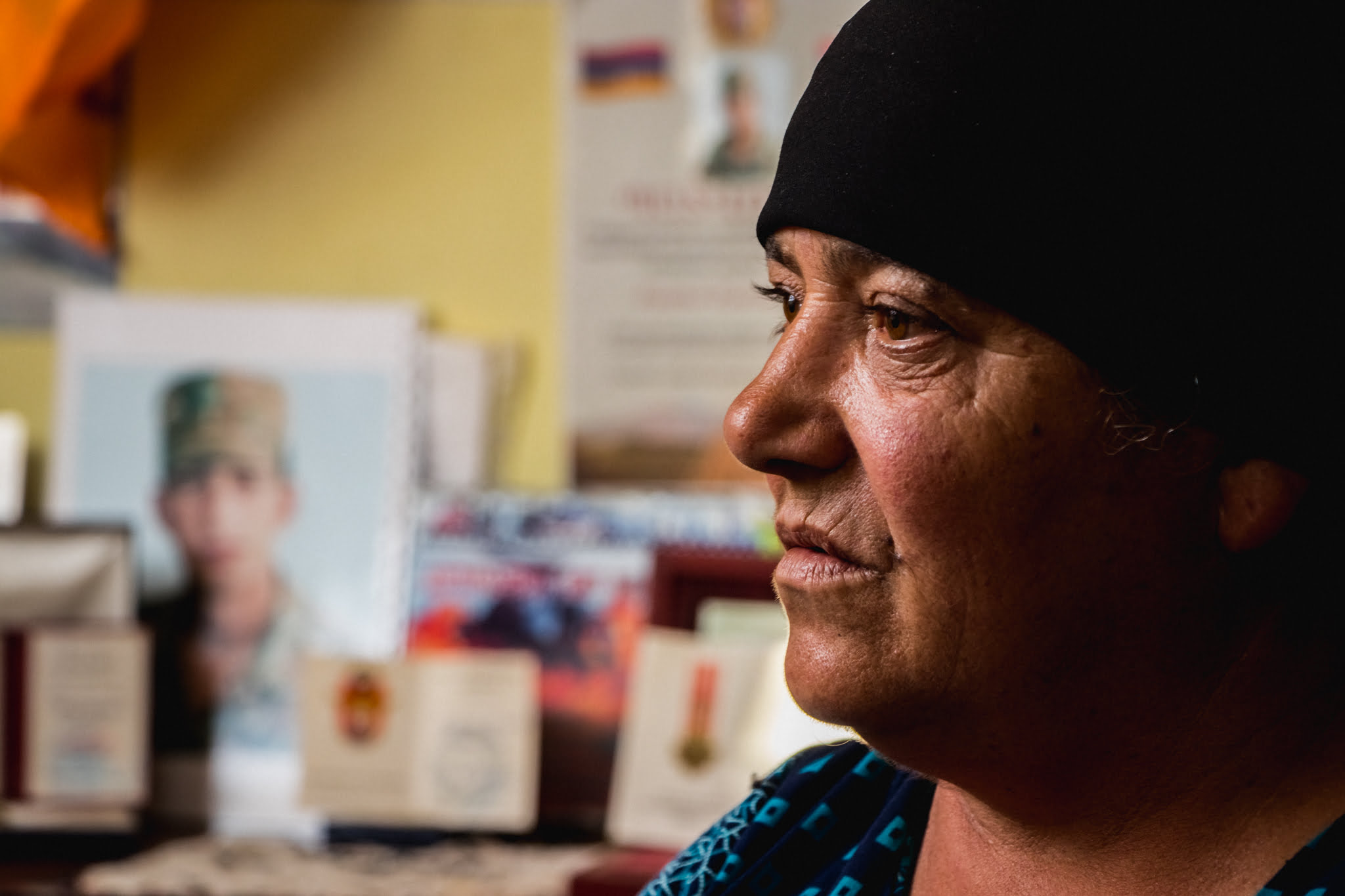
    — says Nata, who has lived through two major wars, the loss of loved ones and an extremely complex operation, and has now been cut off from the world for 52 days in the Artsakh town of Martuni — yet an extraordinary love of life comes through in her every word.

  2. On Either Side of the Road

    At the beginning of December, Maral Apelyan came from Mets Shen to Yerevan for surgery. Now she is waiting for the only road linking Artsakh to Armenia to reopen so that she can return home.

  3. “When I found out I’d lost an eye, I made a mental note of the fact. Thought, the other eye is still there — good, I can see. When I could finally walk to the toilet on my own two feet, I looked in the mirror. I was curious to see what was left of the eye. I like anatomy in general, the structure of the body.”

  4. When I Died

    Understand herself. Move forward. Not get drawn into the general despondency. Grow and change the world around her. Not shut herself away in grief for those she lost in the war, but live — in their stead too. Be a bright sun, not murky water. That is what little Nina decided, having grown several years older in just a few days.

  5. Black New Year

    After Armenia’s capitulation in the war with Azerbaijan, many Armenian villages disappeared from the map of Karabakh. The editor of “Kalemon” recounts the last hours of emptiness spent on the eastern border.

  6. Tomorrow After the End

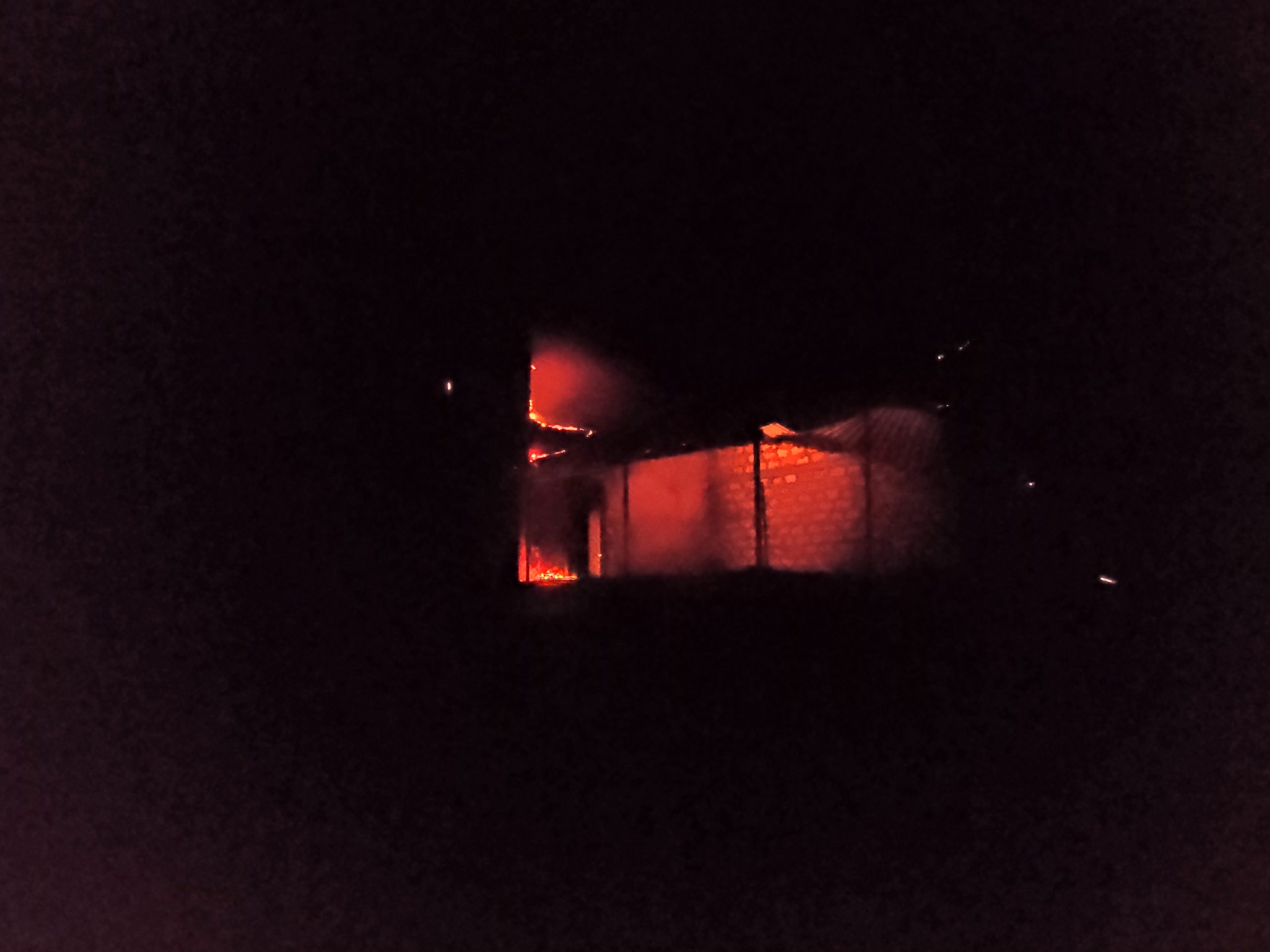
    There are no borders anymore. There are mountains shrouded in fog, burning houses and villages that life has left behind. The only inhabitants of this zone of emptiness are cats and dogs that became strays overnight. We went to the villages in eastern Karabakh to see them one last time: the day before—and the day after the end.

  7. Those January Nights

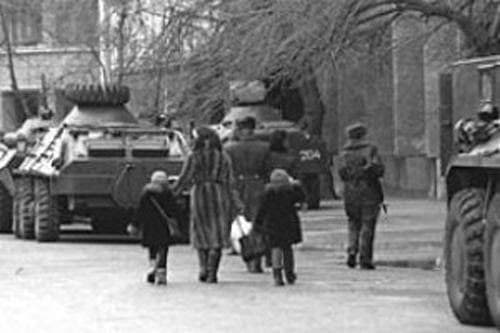
    Childhood memories of the massacre in Baku in 1990.

  8. The House Where Heroes Are Born

    ‘The House Where Heroes Are Born’ — with this phrase, Alik, who was accompanying us, unwittingly supplied a title for the article that had not yet been born as we were leaving the Sloyans’ house.

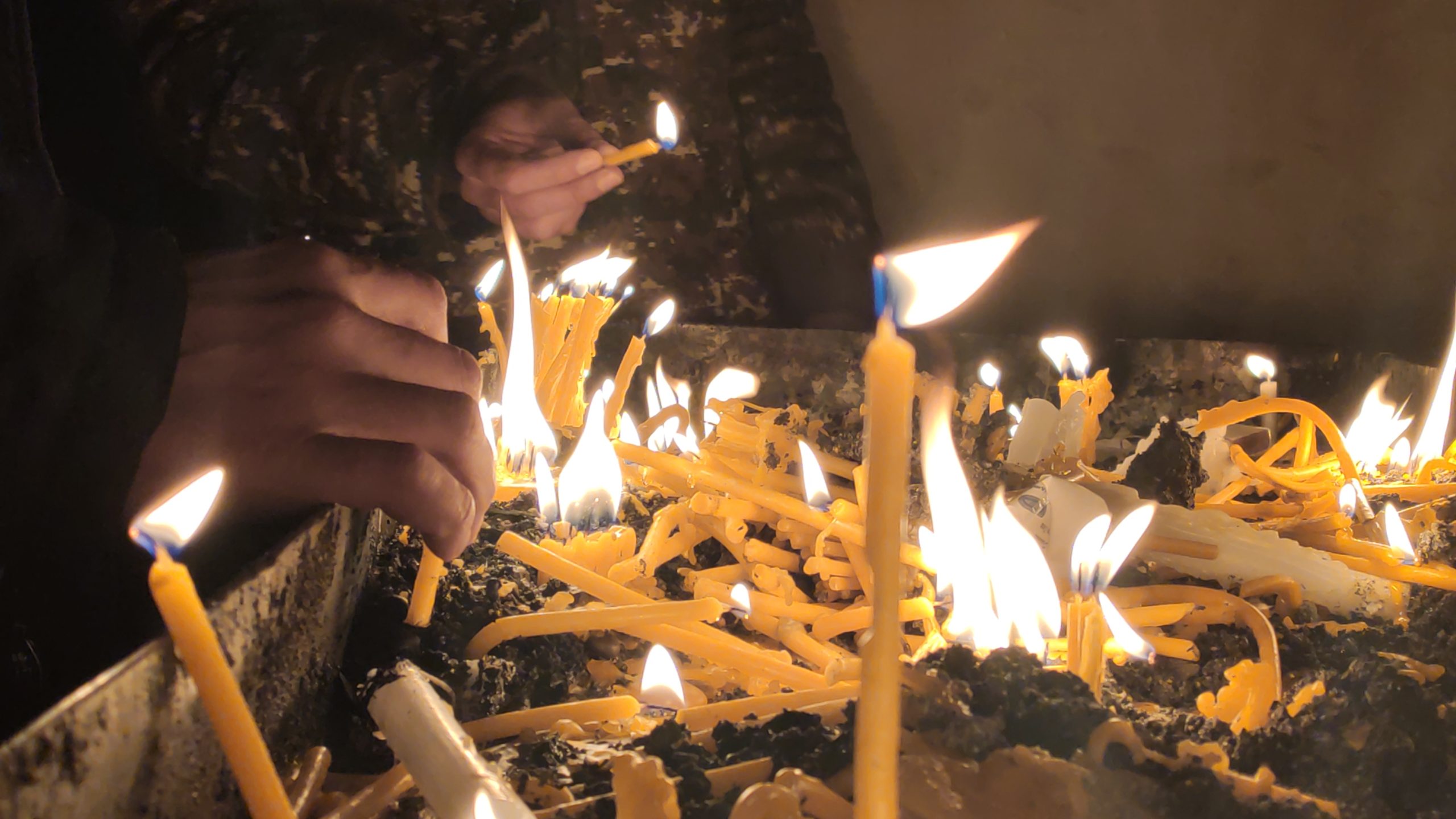
  9. “How can we let them destroy temples where every lit candle is someone’s dream?”

  10. Dad Works for the Spider

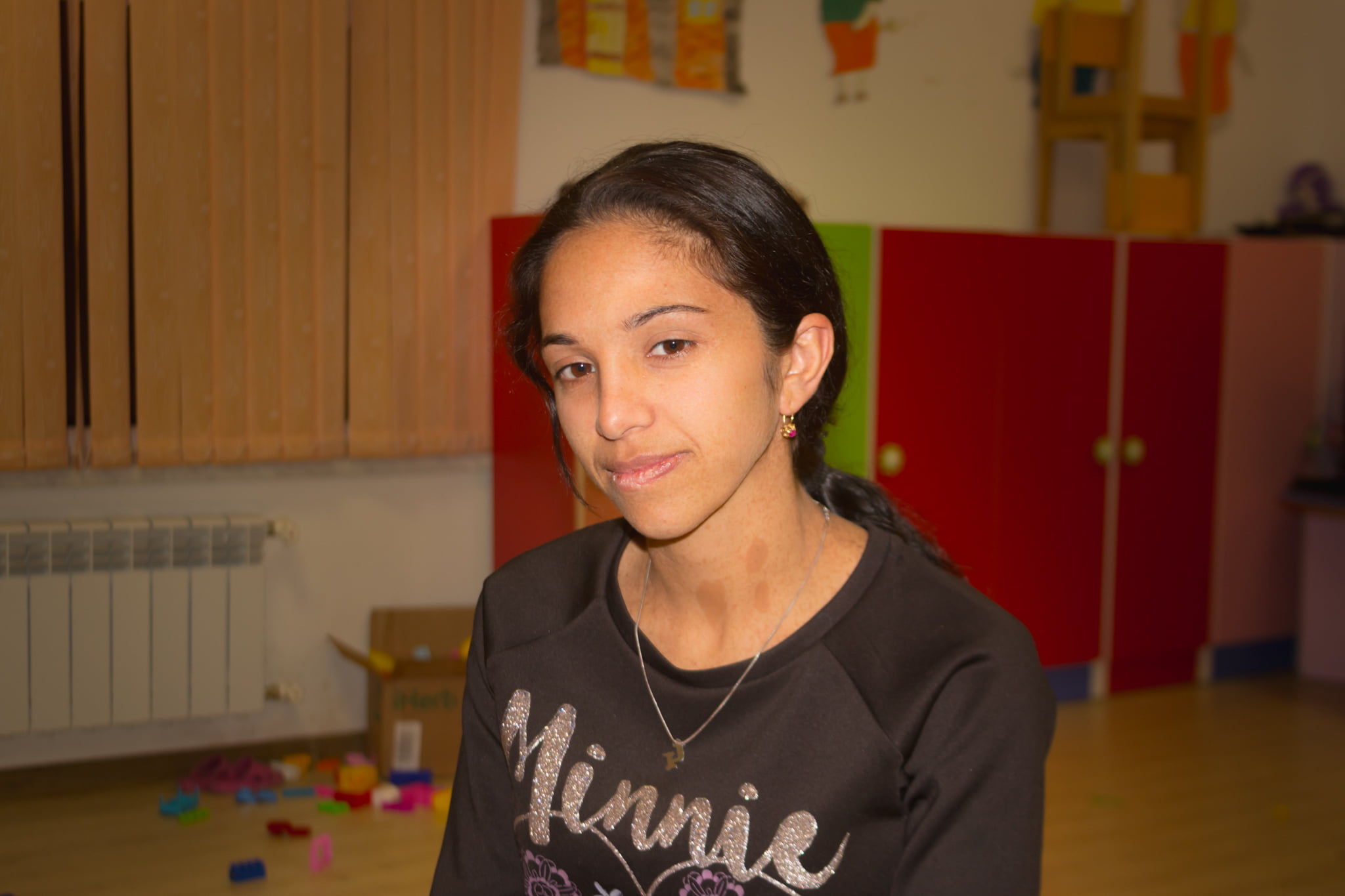
    About 40 children and 20 women are living in the kindergarten in the village of Aghtsk — guests or people temporarily displaced from Artsakh. At the kindergarten they avoid the word “refugees”: so it won't be for long, so the war won't linger. Melanya is one of them. On September 27 the Azerbaijani armed forces shelled her village of Ivanyan in the Askeran district with a Smerch multiple-launch rocket system.

Meanwhile

  1. Life

    The General Said No

    A roadside sketch about a little carelessness and a great calamity, an unseen general—forgotten, though—and cows that were completely blameless.

  2. Children

    Change the Point of Support

    Eka Gorstka, founder of the “Voskeporik” centre for aesthetic development and rehabilitation, on how to integrate children with special needs into society properly, why involve parents in therapy, how opera singing led her to charity work, the good in the pandemic and “wings of kindness”.

  3. Prison

    Even punishment should include care for a person

    “If we are against the fact that a criminal should receive education and proper rehabilitation at the expense of the society, then he will just stay in jail at our expense, and sometimes stay repeatedly. We will pay that money anyway. The question is what we will get as an output.”

Next section Animals 7 stories →