
Under a Rocket’s Tail
A call from Hakob on the former eastern front brings a stir to our room, steeped in tobacco over a month of war. Until now we have been gathering open-source data and have done a few interviews with refugees — here, 180 kilometres from the border with Artsakh, in safety.
Now Hakob has called Hasmik and said he is organising the evacuation of people and their belongings from territories that are about to pass to Azerbaijan. If we want to capture the last hours before the Azerbaijani flag is raised over Armenian land, now is the time.
In a single day we repair our wreck of a car so it can get us at least one way, but we are in luck: it turns out that David, the head of the Armenian community in Moscow, is already on his way to help Hakob. Over the month of war, he has collected and sent a great many helmets, bulletproof vests and humanitarian aid to Artsakh. We meet in Yerevan, two more friends get in the car, and we set off for Martakert.
The farther north we go, the colder it gets. You can tell both by the snow that appears here and there and by the frosty air at the filling station, where we get out to fill the gas cylinder to the brim. We do not know when we will next be able to refuel. The Kelbajar district, which we will drive through to reach Martakert in eastern Artsakh, is also passing to Azerbaijan soon.
Shortly before entering Artsakh, while we are still on the plain, we come across the burnt-out body of what is presumably a “Tochka”, a Soviet tactical missile system. It was hit by one of the combat drones that flew into Armenian territory several times.
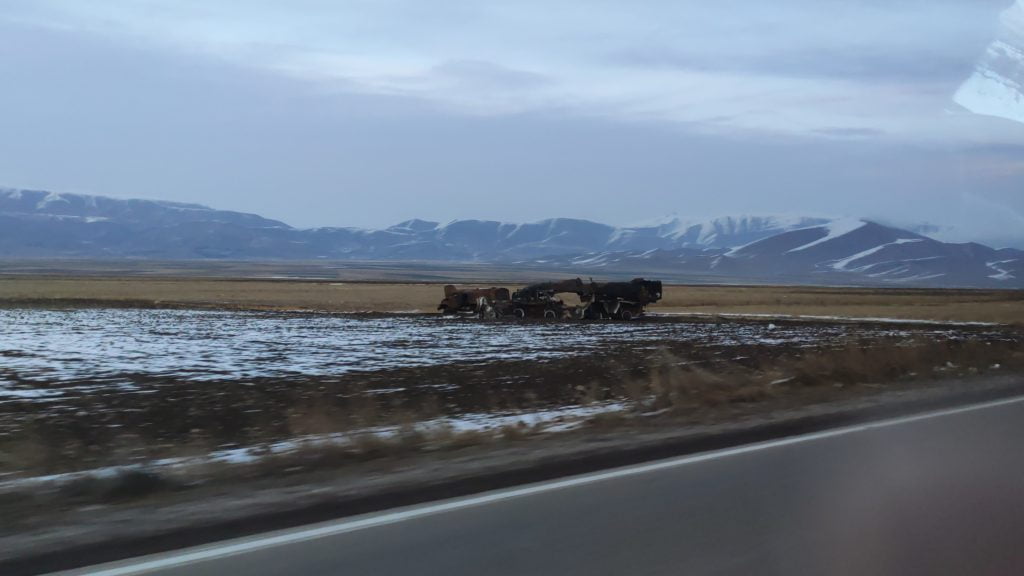
The mountains begin abruptly. They literally grow out of the ground. At the same time, a fog sets in so thick that you can barely see a few metres ahead. Looking at the steep road, I am glad we took an SUV rather than our trusty, but still tiny, Golf with its one-and-a-half-litre engine.
The journey takes several hours. We talk. On the way we come across a bridge that was hit by a shell, which only managed to destroy one side — cars pass easily along the other half, skirting the hole and the protruding fingers of reinforcing steel.
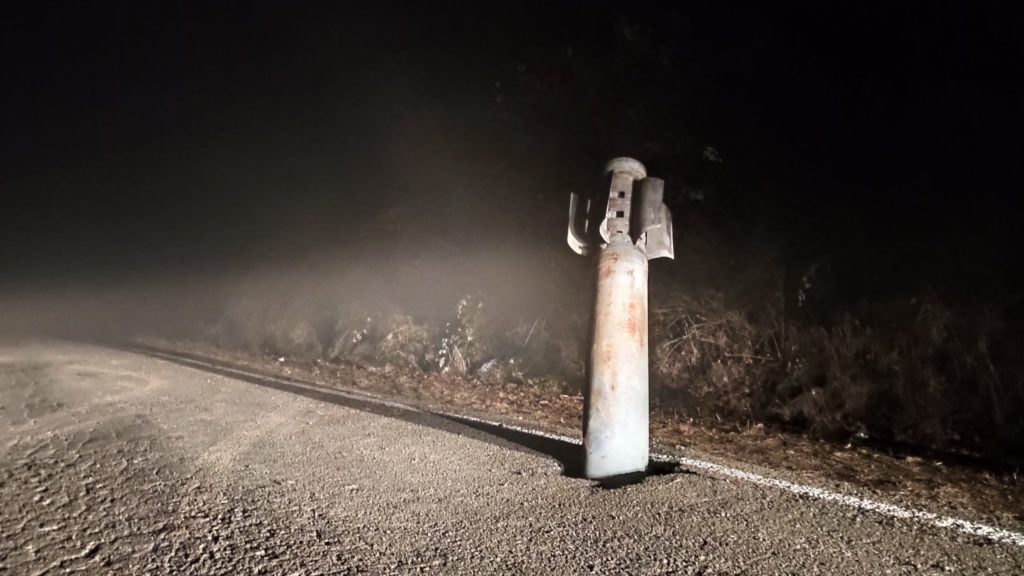
A few hours later, as we are approaching Martakert — still in the same fog — the car stops sharply. We have almost driven over an unexploded “Smerch” rocket sticking straight out of the asphalt. We get out to take a photograph: after all, this is the first rocket I have seen myself, in person. I touch it gingerly, for some reason imagining that it will be hot. Of course it is not. The cold, thick layer of metal inspires terror even now, when the rocket has long since stopped flying anywhere.
I think that even a blow to the head with a piece of a rocket like this would leave a lump. And it is hard to imagine that this iron is actually just a sweet wrapper, tearing like paper when the filling explodes. The rocket’s tail sticking out of the ground is big, but only at home, once I get online, do I learn that it is actually a small part of it, and that the rocket itself has gone several metres into the ground.
We reach Martakert. The town is plunged in darkness. Almost the only light comes from a couple of open shops and the bulbs at the local town hall, where we are heading. These shops appear suddenly in the thick darkness. It feels as if we have reached the end of the earth, and these are the border guards before the drop into the abyss. Any moment now they will come out and ask whether we are sure we need to go any farther.
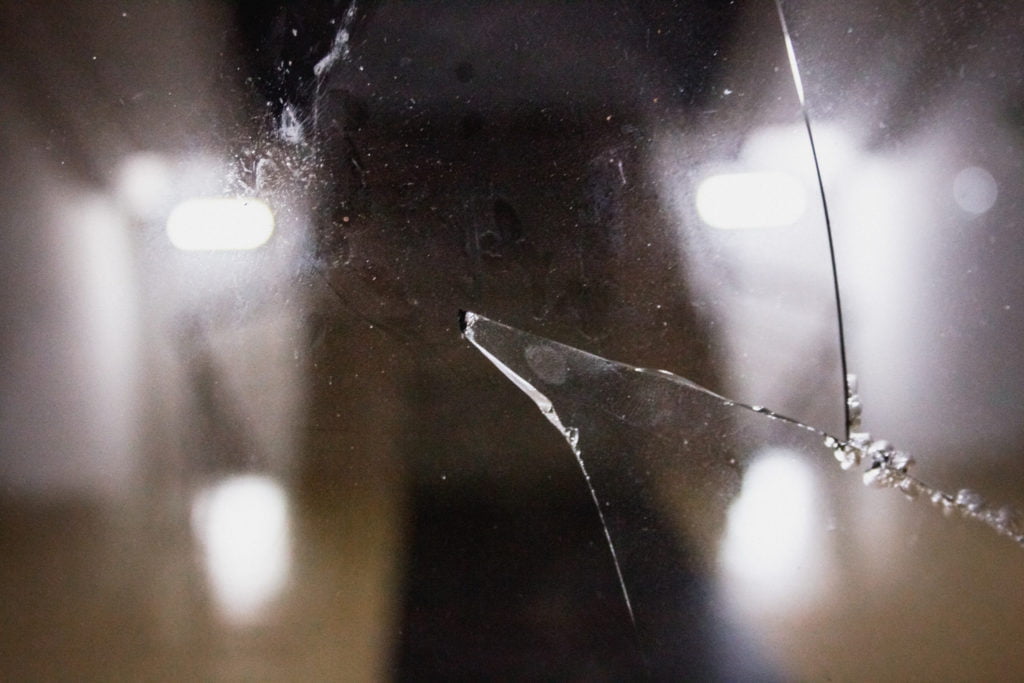
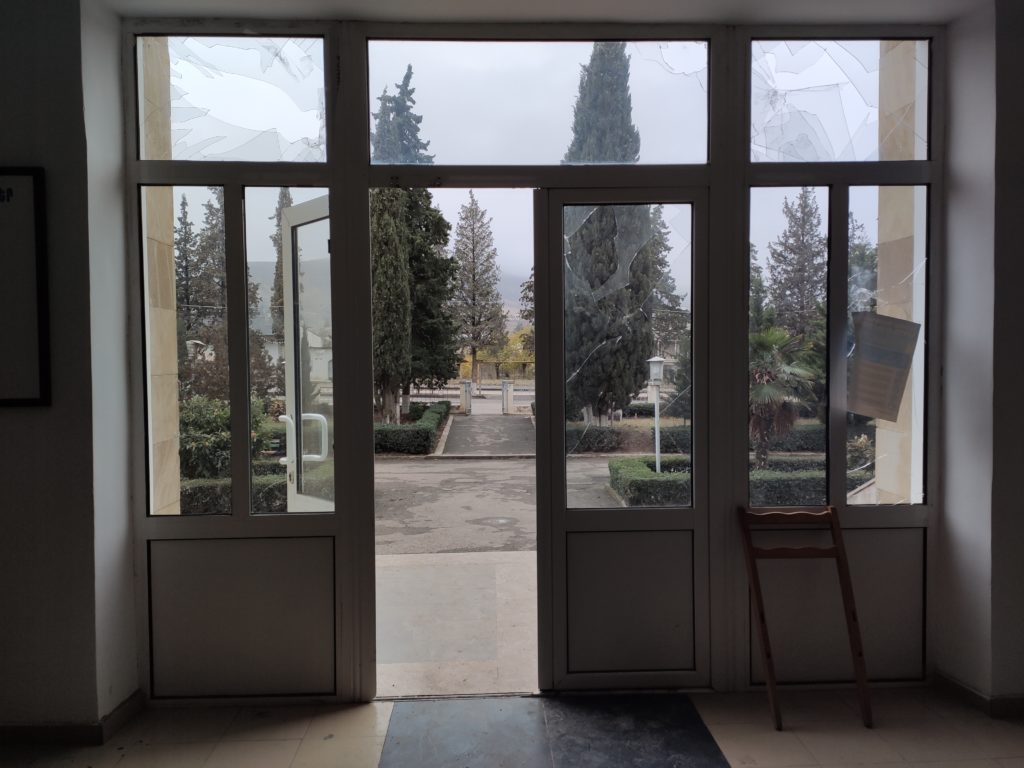
At last we stop the car. Up the steps — towards the town hall’s shattered windows. There was no close combat in the town; all the destruction came from artillery shelling and drones. At the top of the steps some people meet us. Someone seems to ask who we are, but on the whole hardly anyone cares. Everything is lost at the edge of the earth.
The Flea and God
Inside the town hall: strong wind, cold, fat cats. I quickly find the mother — pregnant, of course — and the father of the family. The mother wanders restlessly, meowing. There are too many kittens to count. They take part in both military meetings and our interviews.
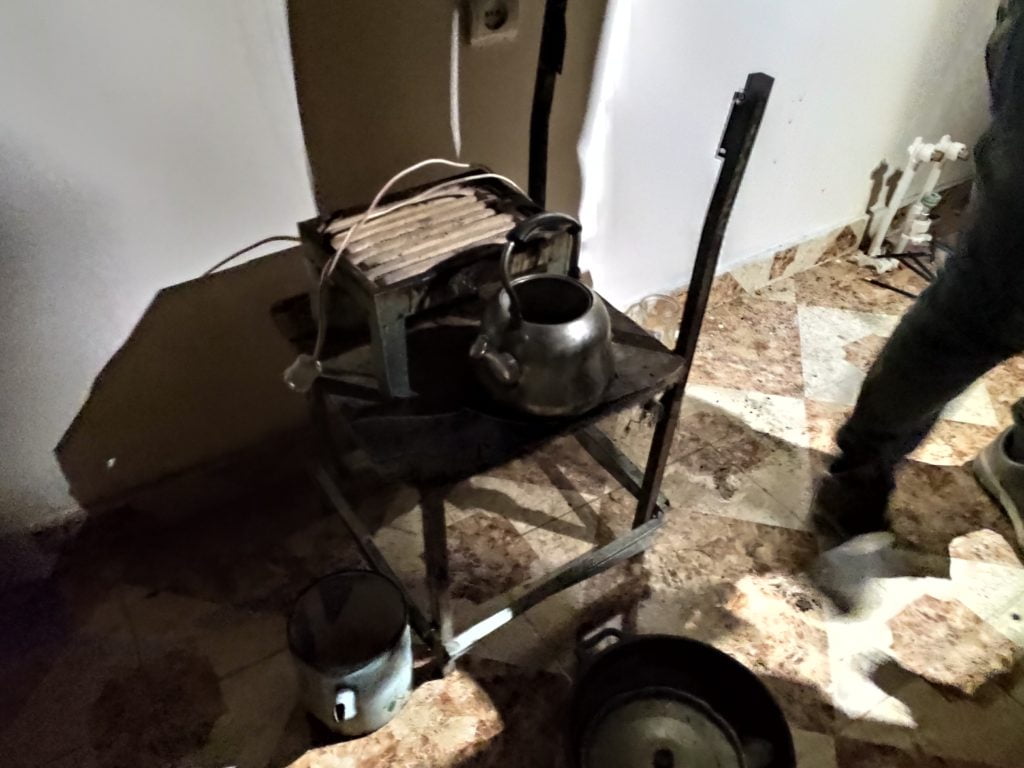
The little room by the entrance is almost as cold as outside. A heater with three glowing rods is working. One of the rods is broken in half. The heater’s wires lead to a homemade adapter — a heap of wires and circuits, tangled and soldered together. The enemy certainly won’t figure it out.
A poster reminding people of safety rules hangs on the filing cabinet. No, not during shelling. When interacting during coronavirus. Papers, saucers full of cigarette ends, little cups with dried-up coffee lie jumbled on the table. It is these cigarette ends and the coffee, rather than the shells sticking out of the ground, that begin to make me understand that being here was no picnic.
We try to get hold of Hakob. From the rasp of the speaker on the phone Garik, the deputy head of the administration, is calling on, I gather that there is almost no reception. Hakob is somewhere out there, in the darkness at the edge. Garik calls one person, then another, until he finds someone who happens to be near him and can hand over the phone.
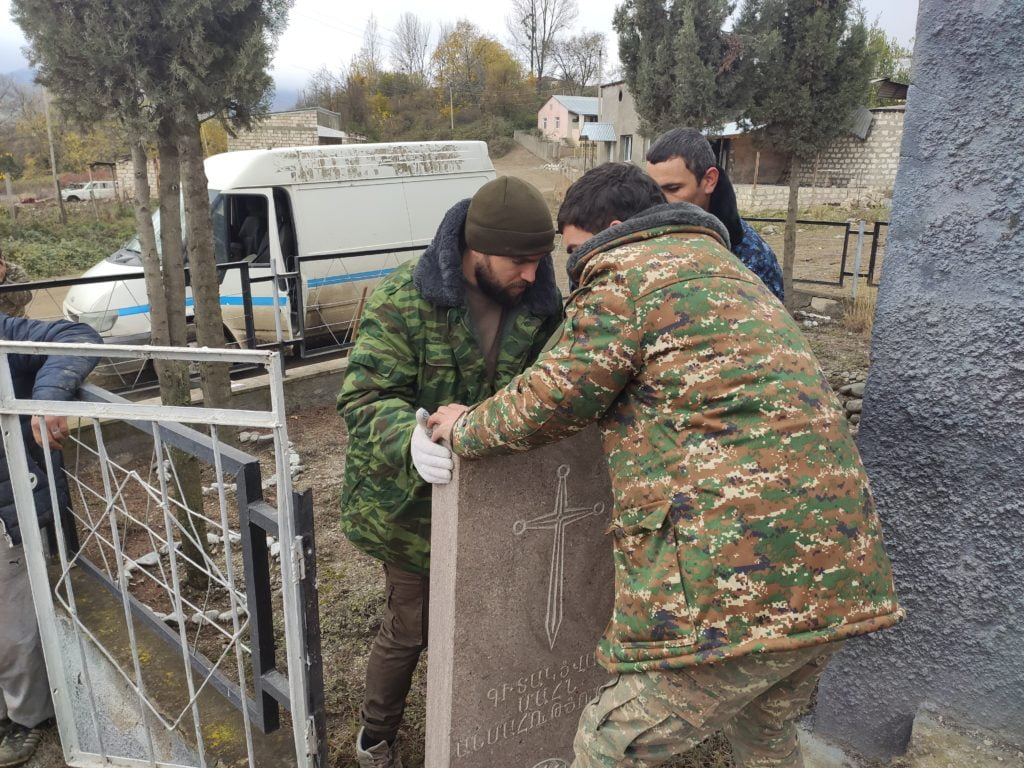
An hour or two later Hakob comes into our room. He looks tired, upset and angry: the truck he has hired with great difficulty and for an enormous sum — a thousand drams, or two dollars, per kilometre — is already full and cannot take the last khachkar from a village that is supposed to pass to Azerbaijan at midnight.
The Azerbaijani military destroy all the relics the Armenians leave behind, so that not a trace of their presence in Karabakh will remain. The same thing happened in Nakhichevan, where hundreds of khachkars like these were destroyed. They were dug up, smashed with sledgehammers and excavators, and the resulting heaps of stones were dumped into the water.
Neither the government of Artsakh nor that of Armenia has done anything to preserve the historical monuments. Volunteers like Hakob are doing it on their own.
Hakob talks about his khachkars, gesturing forcefully with his arms. Then he abruptly falls silent, squeezes past us to the radiator, bends down and warms his chilled hands.
I step outside the smoke-filled room — to smoke. The cigarette smoke is quickly drawn out through the doors, into the street, into the void. The electric light makes the smoke alive and three-dimensional while it is inside. But a second passes — and it dissolves into the night. The streetlights are out, and the town hall seems cut off from the town, destroyed by aircraft and Grads.
We decide to go now. David offers to help get the khachkar out and work out how to transport it. The time is 22:30.
We set off for the village of Hovtashen, a few kilometres from Martakert. The passengers are sitting on top of one another: there are six of us now. Hasmik tries to take notes in a notebook. There is still fog all around. No one knows the exact way. Everyone except Hakob is here for the first time, but Hakob himself only came here today. It is night, there are hardly any signs, and the roads branch off.
We keep buzzing the windows up and down, opening first one, then another. Searching. With all these identical dirt roads, there is no bloody way of telling which one we need.
All this time I am thinking that foreign troops are stationed very close by. We do not know when they will “come in” or what they will do. There is no guarantee of safety: for kilometres we have not seen a single Armenian soldier. It feels as though the area near the front has emptied out.
No one is monitoring the ceasefire, no one is making sure there are no new prisoners and severed ears. We are alone, and only the occasional cars of local residents hurriedly gathering their belongings dilute this solitude. Everything hangs by the thread of the word “truce”, by someone’s agreement not to shoot and to keep quiet.
The technologies of war are developing all the time. The Armenians felt this on their own skin when it was already too late to change anything. While we are in the car, I am also thinking about snipers, mortars, drones. If a shell hits us, no one will get out of this car. It is unfair. If someone has a revolver, I can even our chances by buying another revolver.
But here someone has a button on a controller with which, playing God, he can simply “squash fleas”. I do not know whether this “God” is above me now, or whether he will want to squash me. Being a flea is unpleasant, but “God” will never ask my opinion.
With only half an hour left until midnight, we find the right village. I get out of the car and stand on Armenian land that will become Azerbaijani in half an hour. In other words, we will clearly be driving back along an Azerbaijani road. The developers of Google Maps must be happy now. No more duplicating all these names in the incomprehensible Armenian alphabet.
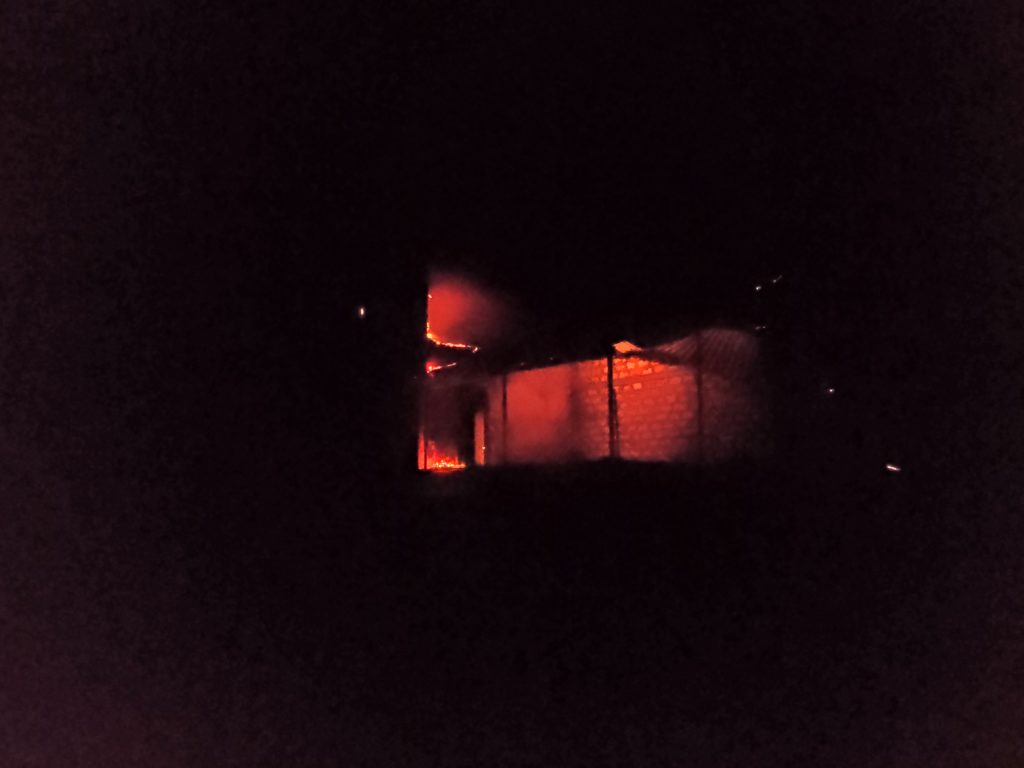
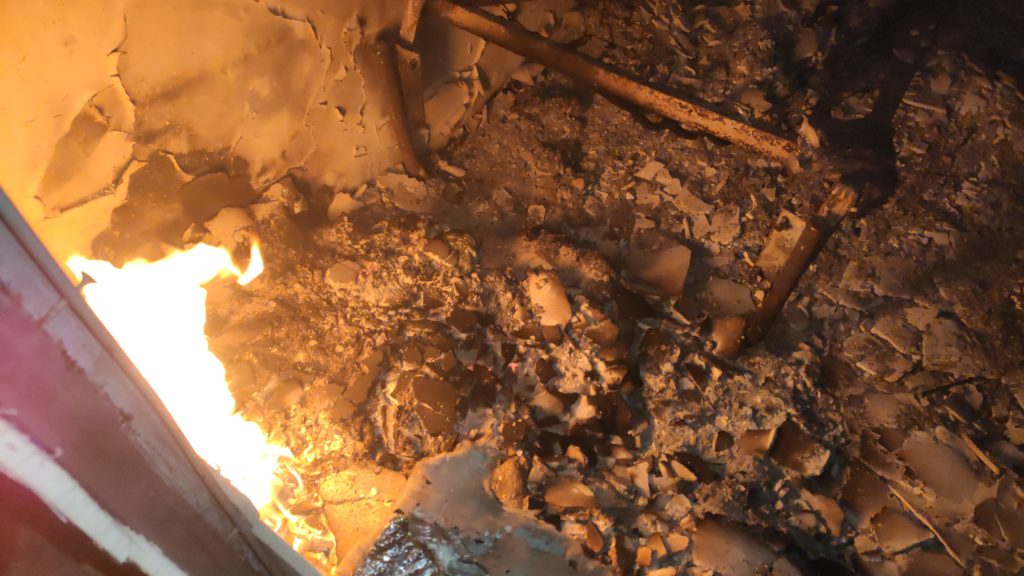
In front of me is a cemetery; beside it, a house burning itself out. In the darkness it looks wild, wrong, eerie. It smoulders like a sombre string of New Year lights at a strange celebration without people. A black new year.
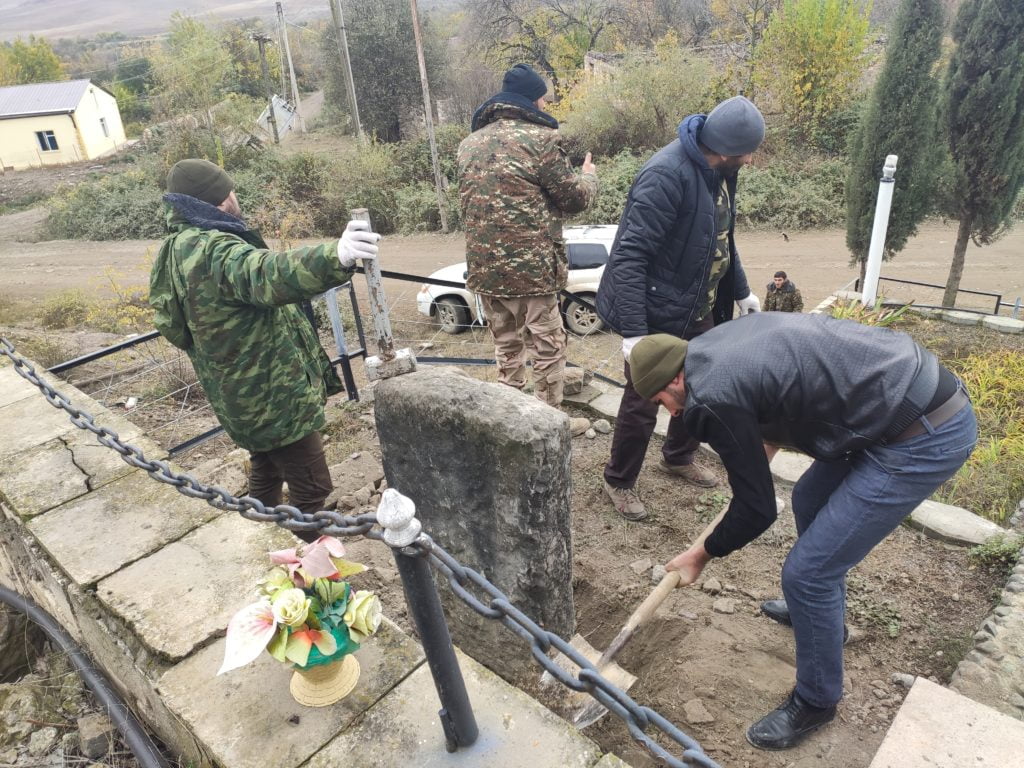
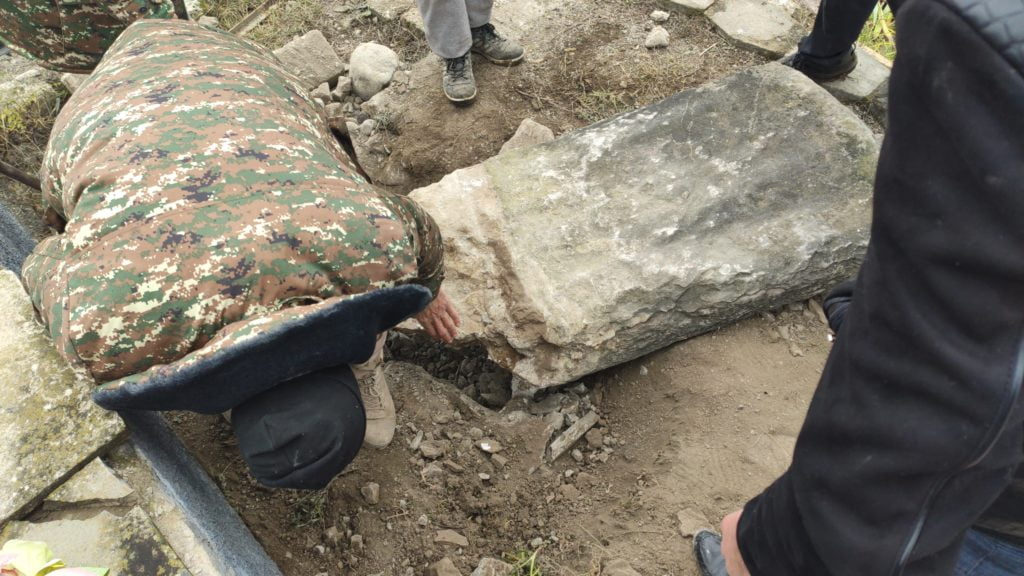
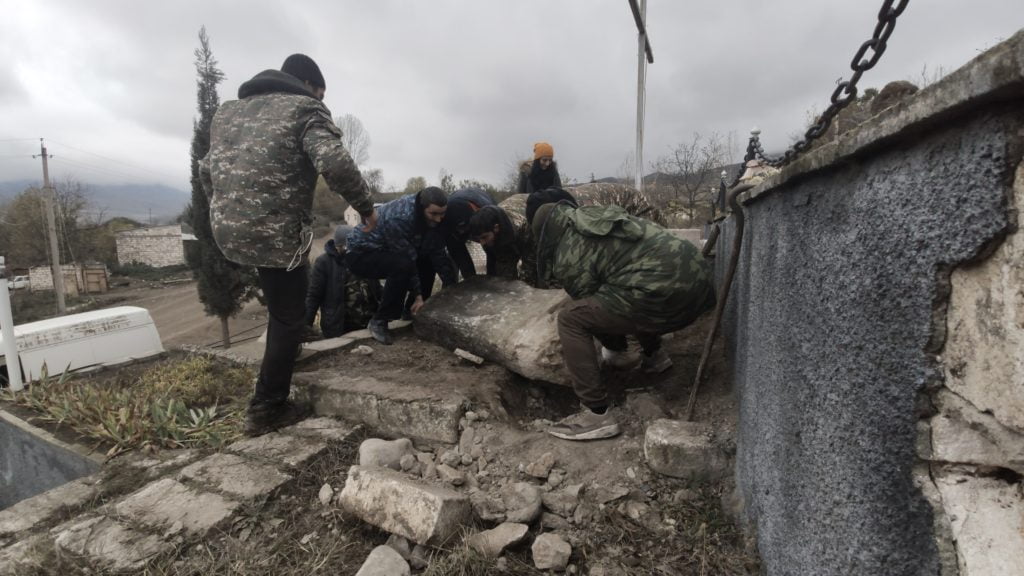
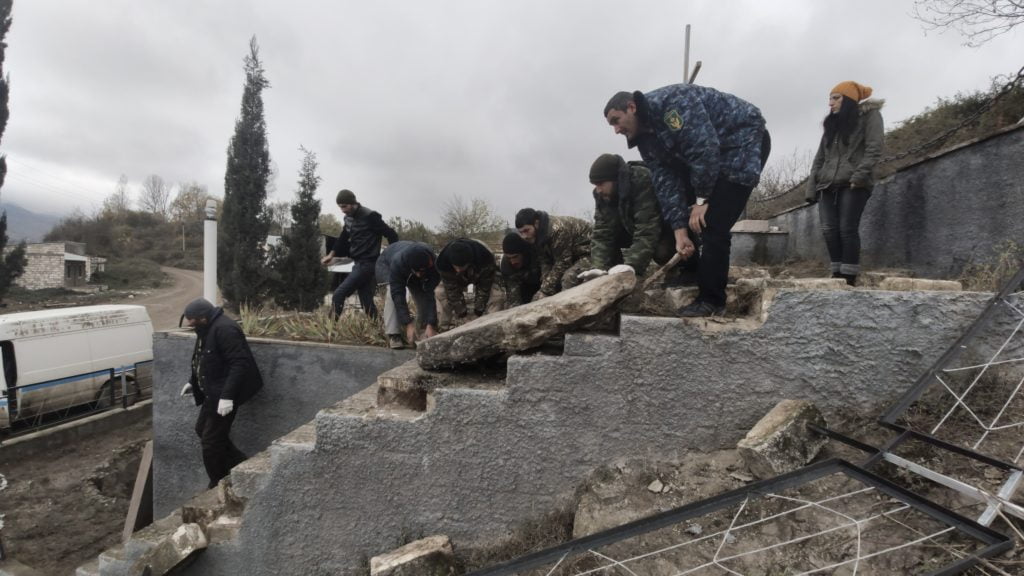
On the other side of the road is that very khachkar. The old stone shines white in the torch beam. An immovable mass — we try to break the foundation, dig underneath it, rock it loose, but it is all pointless. As we scurry around the khachkar, I can hear the precious minutes ticking away.
They say a rush of adrenaline in the blood can increase a person’s strength tenfold. It seems everyone has adrenaline now. But I look at this stone and understand: you cannot dig out its base with a stick or break it with a crowbar. In the village where we live, I have grown used to hard work with unsuitable tools, so I quickly reckon that at this rate we will be able to get the khachkar out in about four hours.
Karlen, one of the lads, keeps repeating like clockwork: “Almost there. It’s moving already, we’ll have it out any second!” I take the crowbar and, as a last option, strike the stone’s thick base hard, wanting to check whether it is made of a more brittle material and whether it has any weak spots. A pointless undertaking, of course. The khachkar was splendidly made — and made to last for centuries.
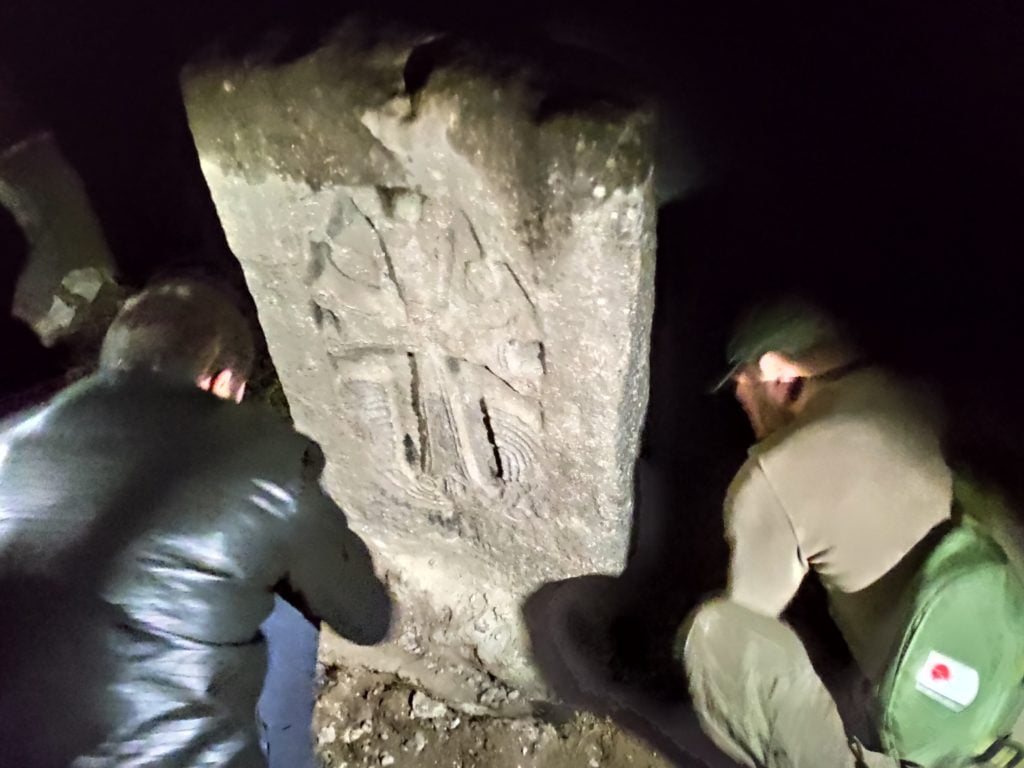
23:40. We cannot get this stone out. Nor do we know when the Azerbaijanis will come in here. Along the entire road we have not seen a single soldier, a single checkpoint. Something tells me there are none over there either, on the other side, where people in Azerbaijani uniforms are standing. No one knows anything, and there is no one to ask when they will come to kill us, cut us up, take us prisoner. We are on our own.
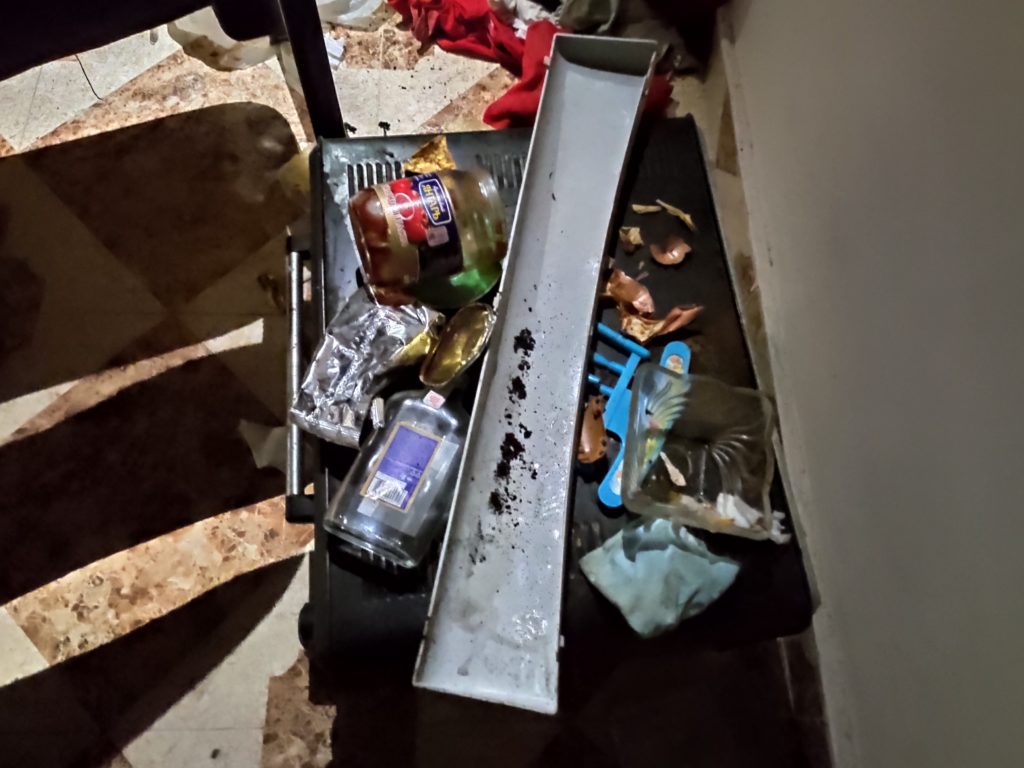
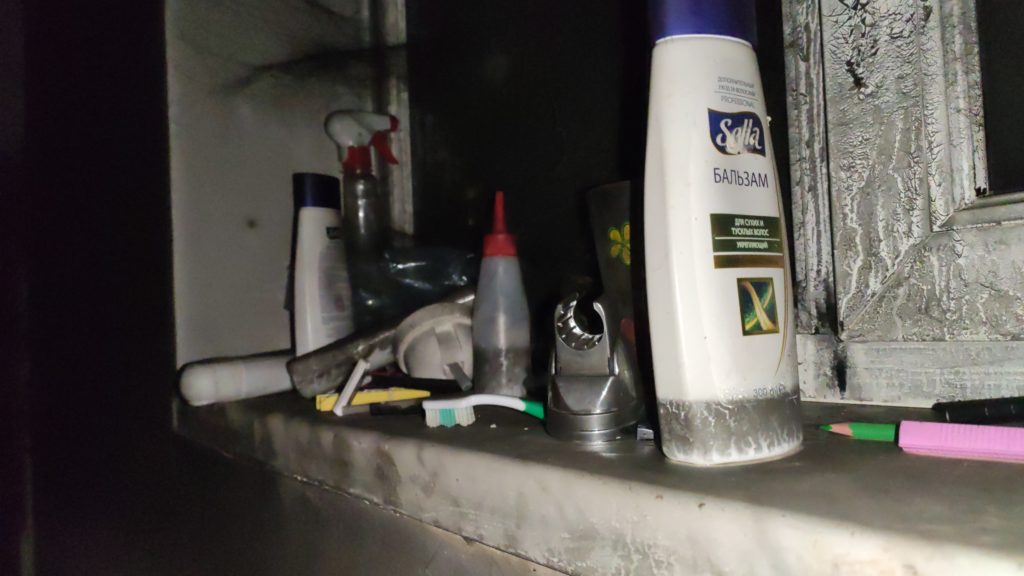
We go into the burning house to take out the winter provisions its owners left behind — and give them to the soldiers. The first thing I notice inside is a pair of purple slippers. Then I see shampoos, creams and other bathroom things. I see a bathroom, a guest room, a cobweb on the window that has turned from white to a thick, fuzzy black — because of the smoke.
I cannot shake the feeling that I have burst into someone’s home and violated some intimate atmosphere inside it, like a safecracker who has broken into someone else’s flat. But that is the injustice of war: every home people have fled is someone’s plundered, desecrated temple, a person abandoned in captivity. There is something predictably wrong about it.
We drive on. Hakob wants to show us something. When we get out, I see freshly dug graves — empty. The relatives of soldiers killed in this war have dug up their bodies so that the enemy will not desecrate them.
It is well past midnight now. There is nothing more for us to do here. We get into the cars and try to make our way back, but the fog gets in our way again. The car darts from side to side, turns around, drives back and tries once more to find the right track. The tension does not ease until we see a bed that has apparently fallen off a truck onto the road — the same one we saw on the way there.
This bed feels dear to me.
We return to Martakert. At the entrance to the town we come to a checkpoint manned by young Armenian kids. There are only a few of them; the post has been put together in a hurry. They let us through, and we quickly reach the town hall. We spend the night there in a cold basement — the electricity in the town is cut off, and our little heater stops working.
Everything’s Fine
In the morning the administration building is empty.
We go out to see how the war has changed the town. There is almost no one on the streets — just the occasional man in military uniform. We do not talk to anyone, except to listen to the choice obscenities of a mentally ill man and explain ourselves to the driver of a car who has mistaken me for Semyon Pegov and wants to take me to “a more interesting place”.
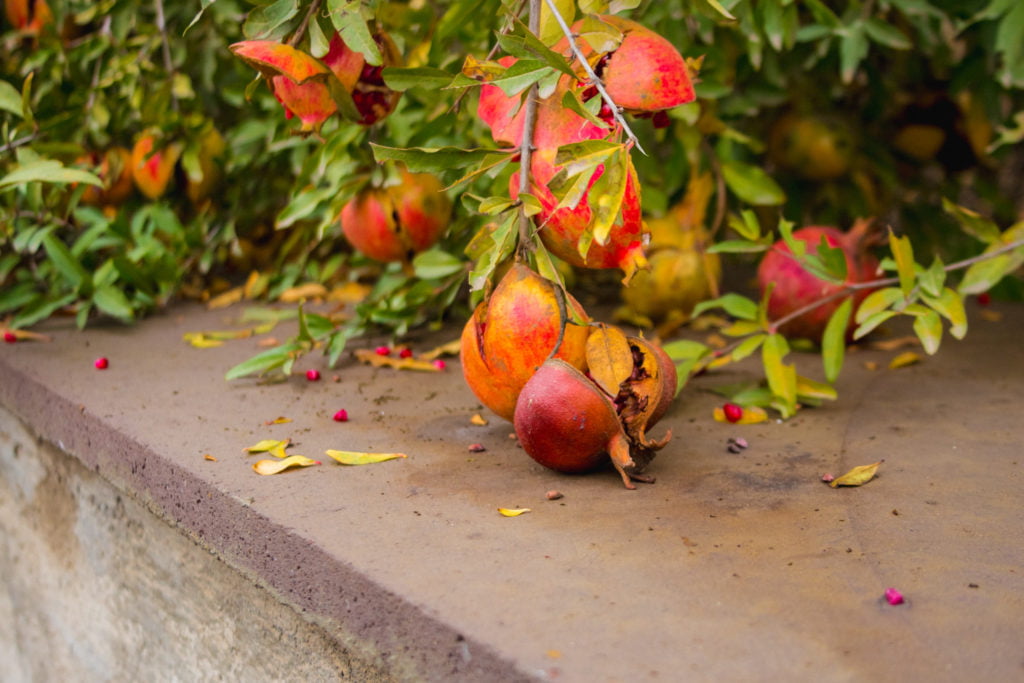
In one place we see a shell crater. Asphalt fragments and rubbish have carpeted the ground for many metres around. Pomegranate and persimmon trees grow along the sides of the road. The pomegranates split long ago. No one is picking them.
We return to the town hall to wait for the lads and head back to the villages — to take away everything we can from the village school building in the truck, and try once more to save the khachkar.
Someone’s cows are grazing in the garden beside the building.
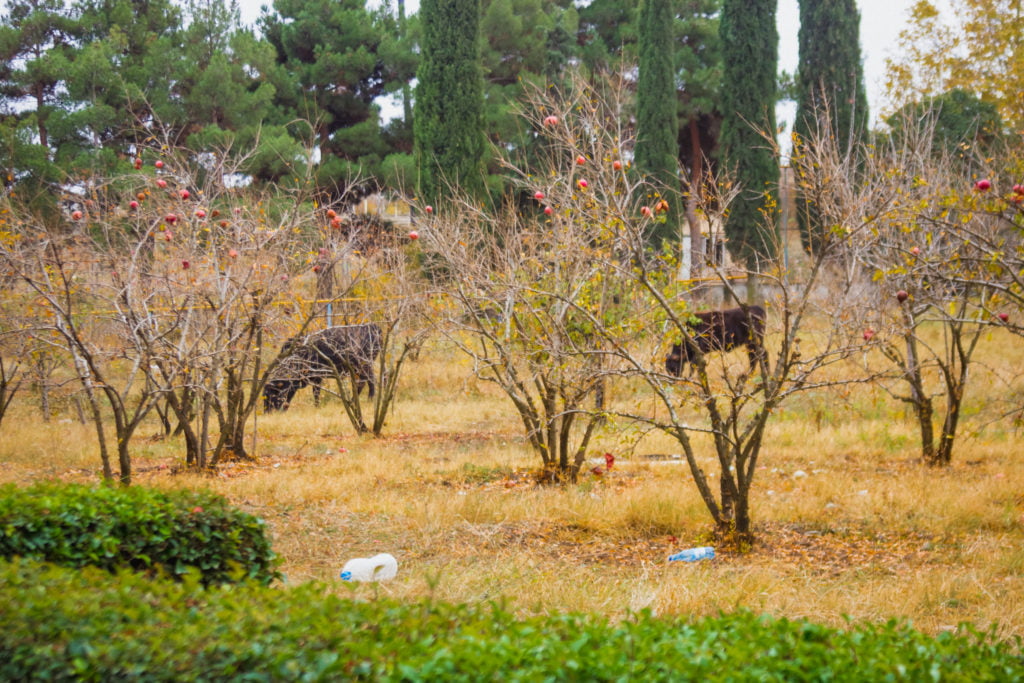
We get into the car again. Hakob searches for someone who knows a way round and spends a long time making arrangements with him. A way round means there will be no Armenian checkpoint there, where they definitely would not let us through. And we will be able to drive onto Azerbaijani land without any trouble.
And that is what happens. On the way we see military vehicles burnt out by a drone, endless pomegranate orchards, more forests and hills, shells sticking out of the ground, and an abandoned Armenian dugout, from which we take the remaining boxes of ammunition.
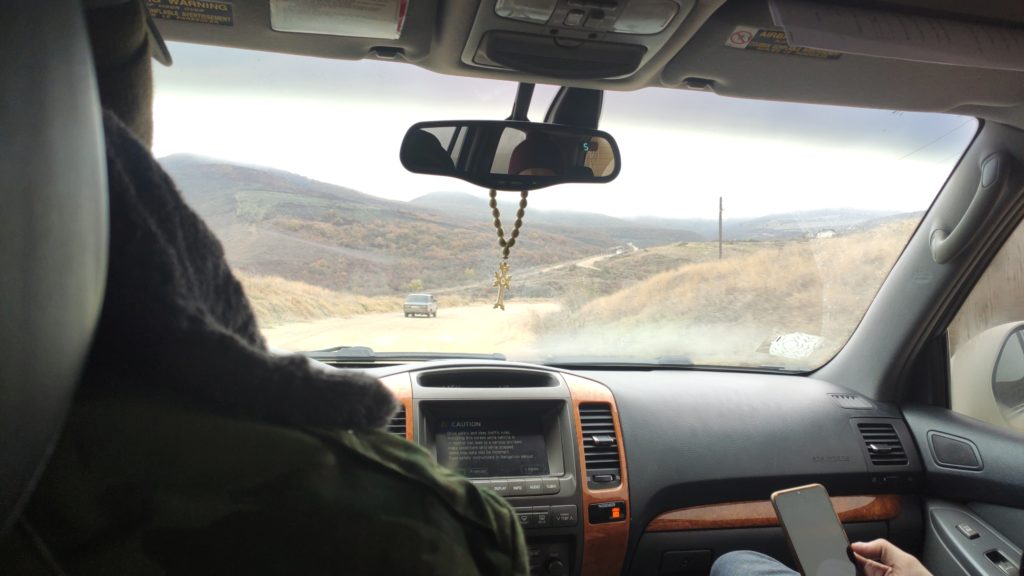
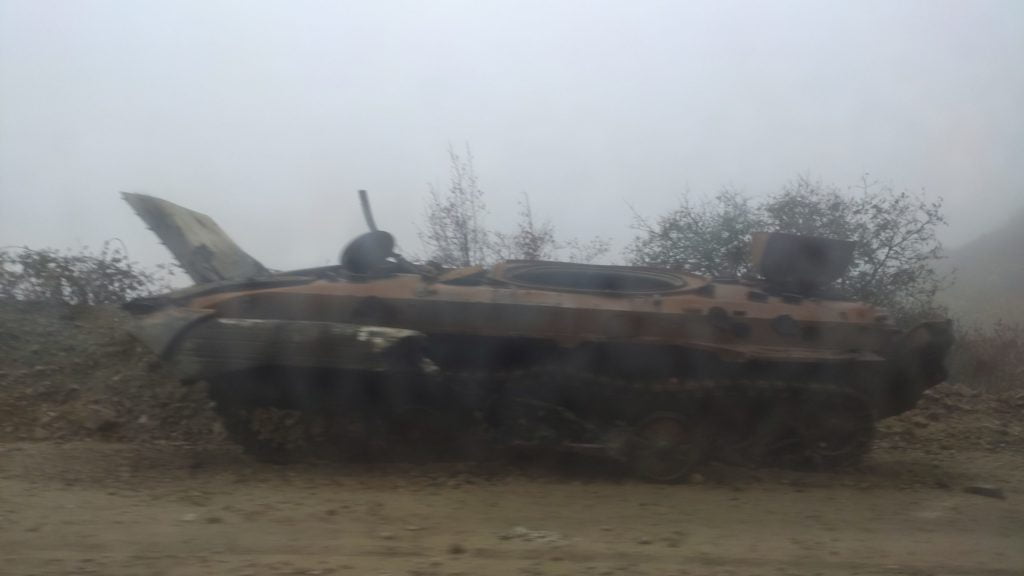
The villages we visited yesterday are livelier than they were at night — we encounter a few cars. Hakob and David ask people to help get the khachkar out. Now that there are eight or ten of us, the work goes faster. The men pull the khachkar out, break down the fence and lower it so that they can collect it in the truck later.
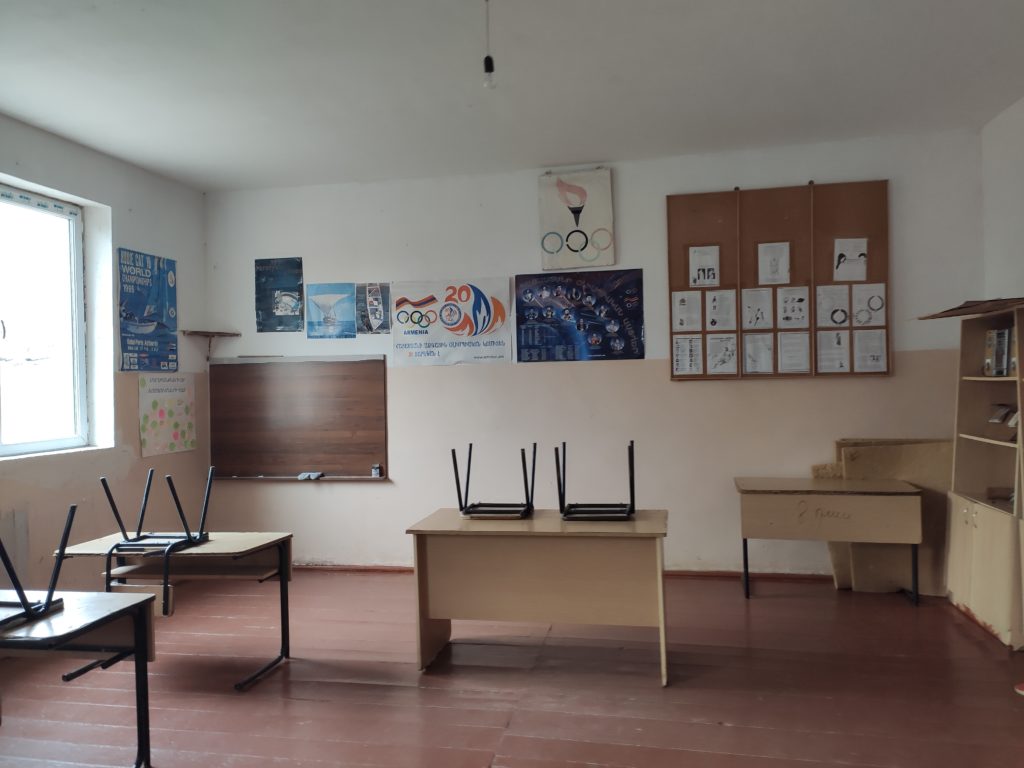
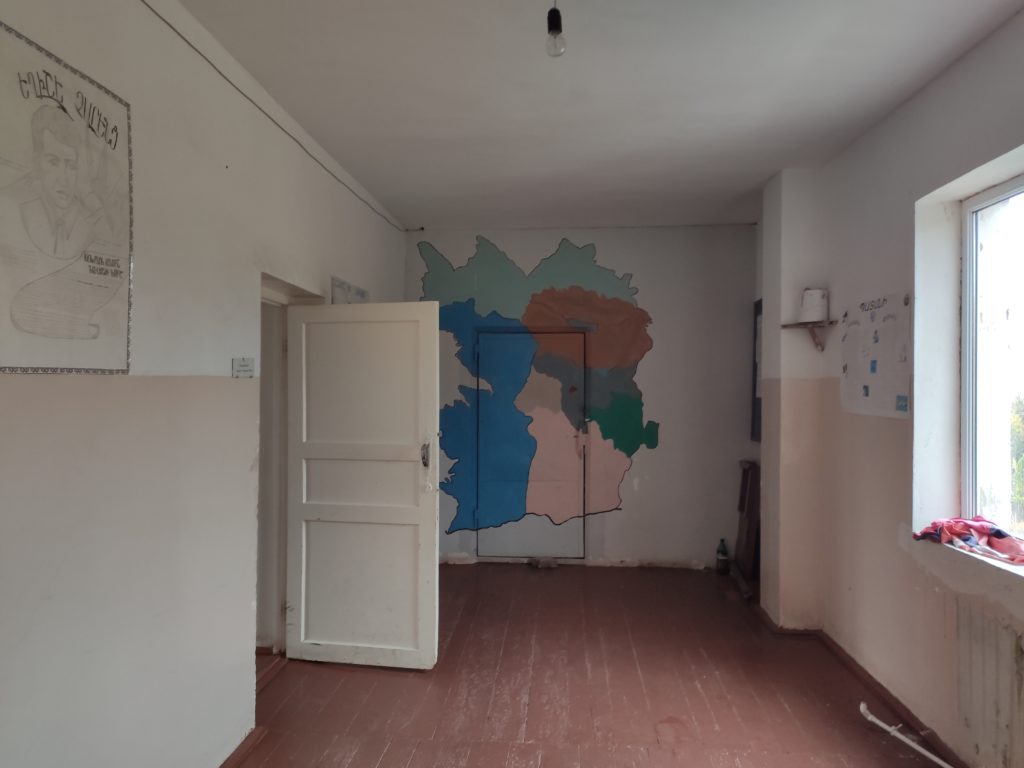
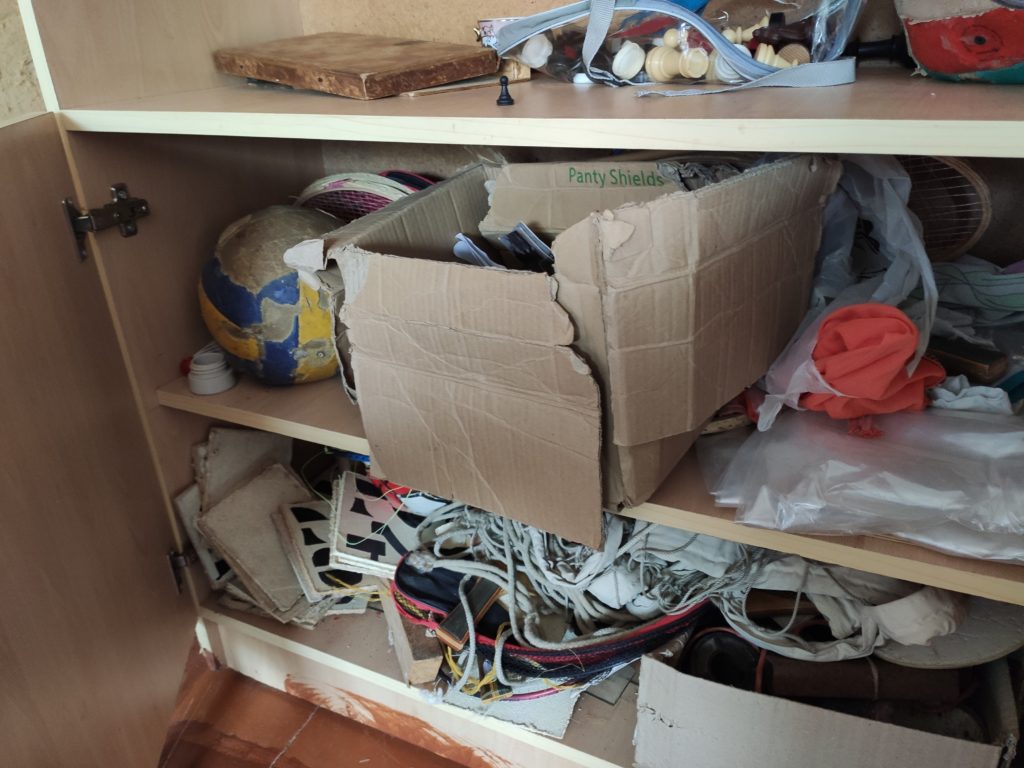
The next stop is the school in the village of Nor-Aygestan. At first I cannot believe we are going to take the desks and chairs out of the building. The difference in culture and thinking makes itself felt: what to me is expendable material I would not mind throwing away is, to these men, a chance to equip some other school with everything it needs. With what the state will not provide.
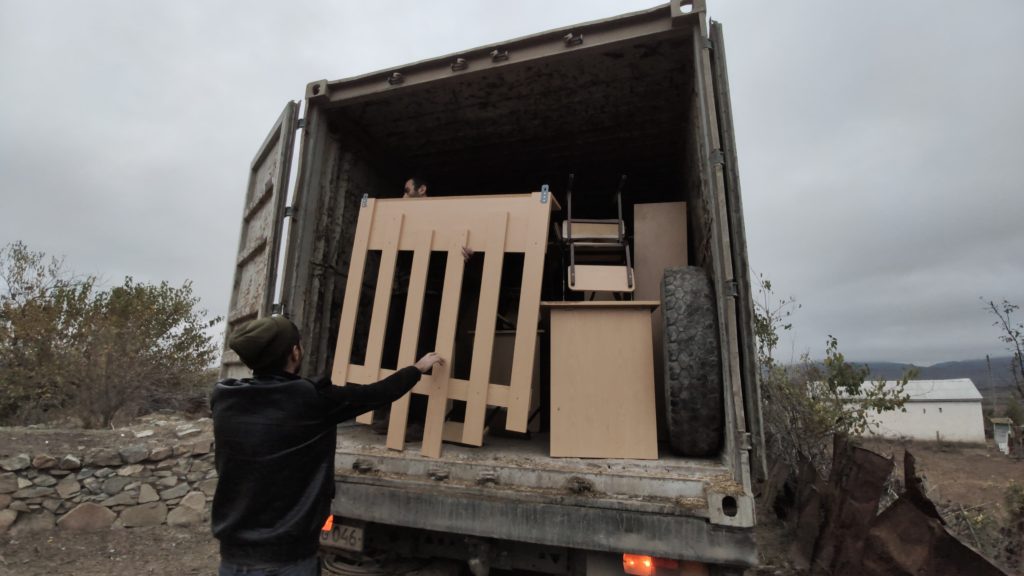
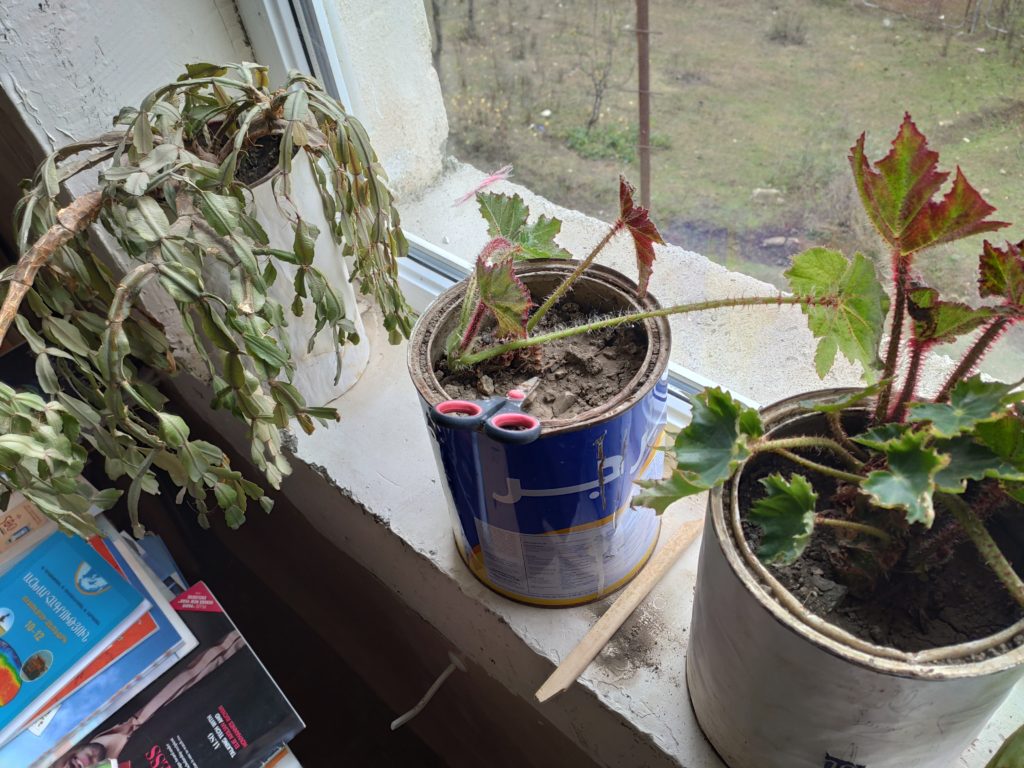
I help carry out furniture and books, but stop from time to time to look at the school’s frozen life. On the table in the staffroom are bottles of champagne and cognac. Perhaps there was a celebration, or perhaps they had one last drink. In the drawers are notebooks with essays, homework and tests. The notebooks are ruled in red pen. On the page I open, it says: 10. A five.
On the walls of almost every classroom hang posters drawn by children — with maps, writers’ biographies and the biological makeup of animals. On the second floor are dried traces of what seems to me to be blood. They run down the steps and as far as the exit. There they disappear.
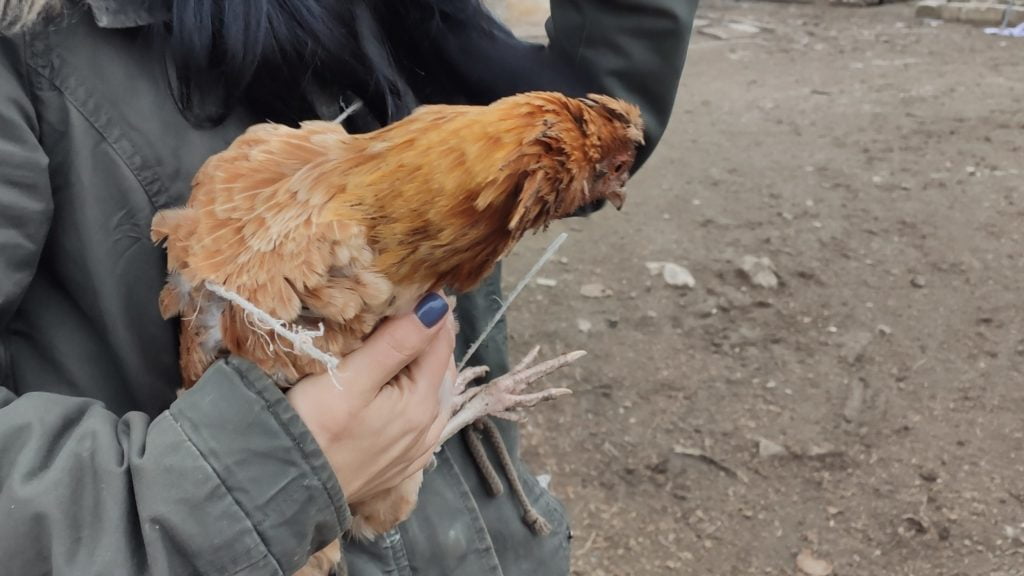
In the neighbouring yard beside the school we see dogs. Hasmik asks me to break through the iron fence so they can get out. I take a sledgehammer and make a small hole. It turns out not to have been in vain. A few minutes later we hear an animal’s desperate scream. It turns out the dogs have caught and are tearing apart the one and only hen left in the yard.
She probably hid when the owners were taking away all the other animals. We climb in through the opening we have just made. I catch the hen; Hasmik ties her feet and wings with string so the bird will not hurt herself on the journey.
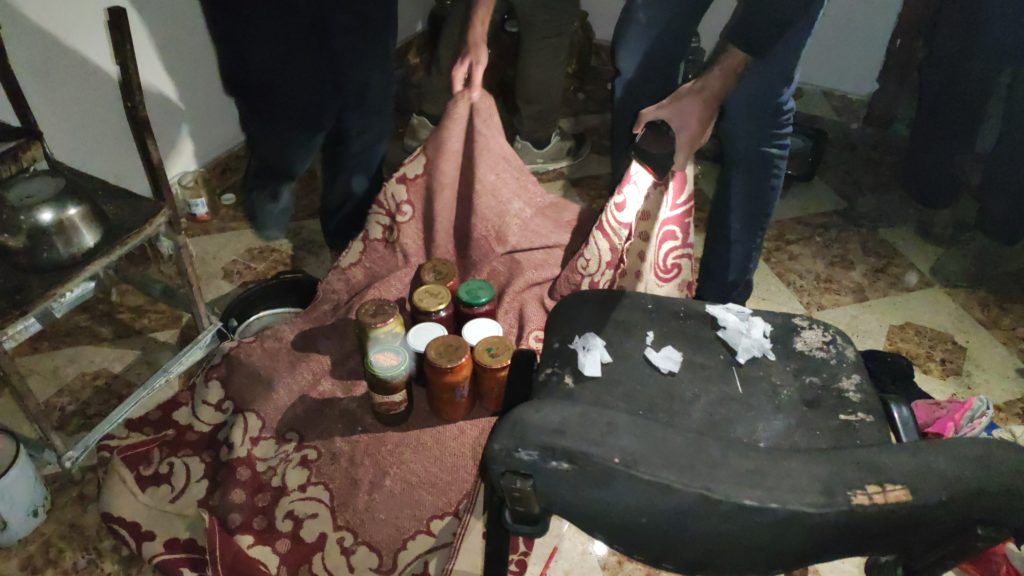
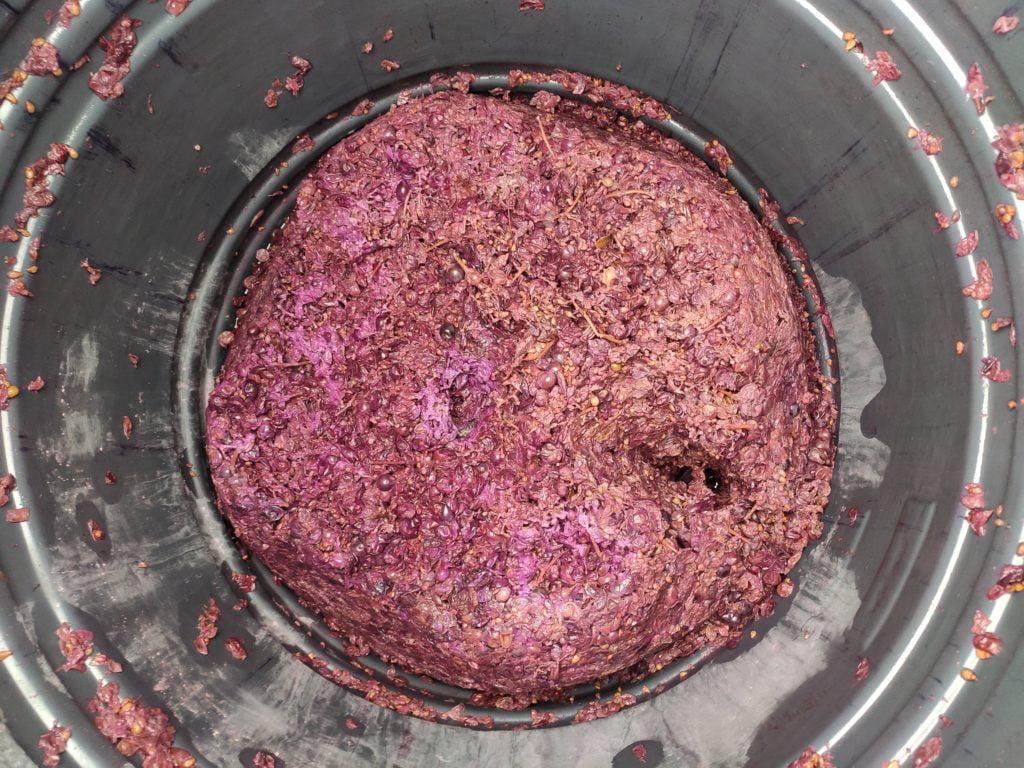
In another yard the lads and I find jars of pickles and fruit compotes. There are also special barrels there in which grapes are fermenting: the owners started making wine but did not have time to finish.
The truck slowly accumulates belongings. The hardest part is bringing the books down. We pile them onto a large green sheet of cloth Hakob has given us and carry them down to the truck. This alone takes several hours.
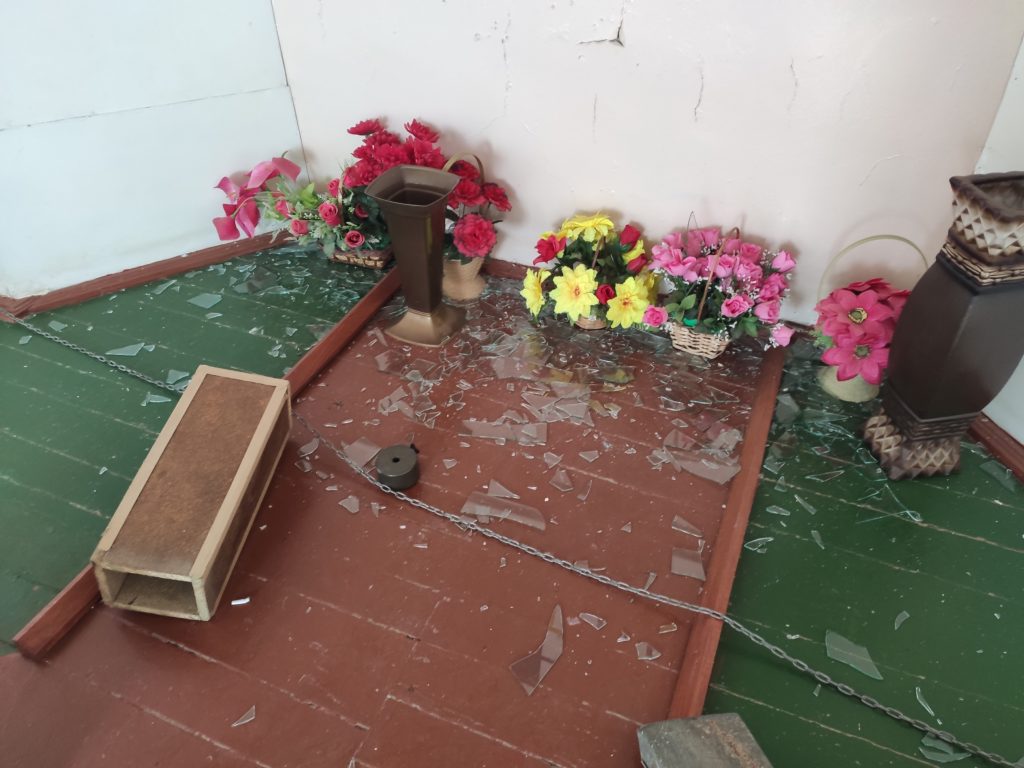
I am getting very nervous. The sun is setting; there is no sign of the Azerbaijanis yet, but I do not want to run into them somewhere on the road. Yet that is exactly what happens. First Hakob gets a call saying their columns have already entered these villages. We start driving, and the lower the sun sinks, the faster we go.
On the road we encounter two cars with Azerbaijani number plates. The surrealism of the situation takes my breath away. There is ammunition in the boot of our car, a hen on Hasmik’s lap, and cars are driving past us with number plates we could previously have seen only in photographs on the internet. We are driving over land that is no longer ours and do not know how those it now belongs to will feel about it. I eat sushki from a plastic bag and think: how delicious they are when you are eating them “for the last time”.
No one stops us, though. David drives the car mercilessly over the rough ground. A spare wheel falls off the truck ahead and now bounces on its chain at regular intervals. On the road we meet the last refugees: a few men with horses and a tractor are trudging along the road. They turn down help. They say everything is fine.
We reach an Armenian military unit without having collected the khachkar on the way. We hand over the ammunition. Hakob talks to all the soldiers, trying to find out whether we will still be able to go back. They all answer: no.
When we come across an infantry fighting vehicle belonging to the Russian peacekeepers, we stop again. To have our photograph taken, of course, and, of course, to ask about the khachkar. Hakob finds out who among the commanding officers he can make arrangements with about it. I ask the lads how an infantry fighting vehicle differs in combat use from a motolyga — a tracked all-terrain vehicle I rode in during my army service. Just to keep the conversation going.
Ahead will be Martakert again, farewells to the soldiers, and the long road home. Along the way we saw a melted tank with a solidified puddle beneath it that had once been armour, people cutting telephone cables and felling trees, abandoned towns and villages. The last stop before Armenia is Dadivank Monastery, where we call in to say goodbye.
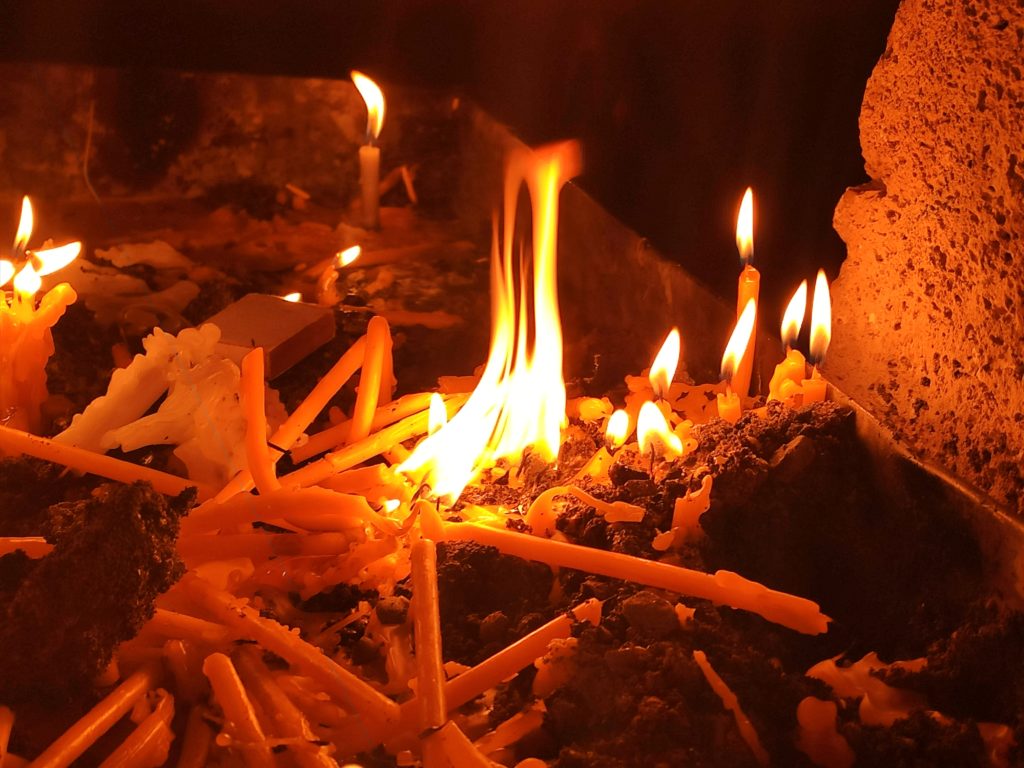
The first time I saw Dadivank was at night, after a whole day of hitchhiking, three years ago. The second time is now, at night again. The monastery has not changed one bit, just as dear and timeless, just as compassionate towards a human being and at the same time towering above them in a kind of divine majesty. You go inside, touch its walls and begin to cry.